

Doctor explains: Common Myths About ME/CFS — What Patients Should Know
Updated: Aug 30

Many people living with ME/CFS spend years being misunderstood. Friends, employers, and even healthcare professionals may wrongly assume the illness is “just tiredness” or caused by stress. In reality, Myalgic Encephalomyelitis/Chronic Fatigue Syndrome (ME/CFS) is a serious, complex medical condition that can significantly affect daily life. Major health organisations, including the CDC and NICE, recognise ME/CFS as a biological illness that affects multiple body systems.
As an ME/CFS specialist, I regularly speak with patients who feel dismissed or confused after hearing outdated advice. Here are some of the most common myths about ME/CFS — and what patients should really know.
Myth 1: “ME/CFS is just being tired”
This is probably the most damaging myth of all.
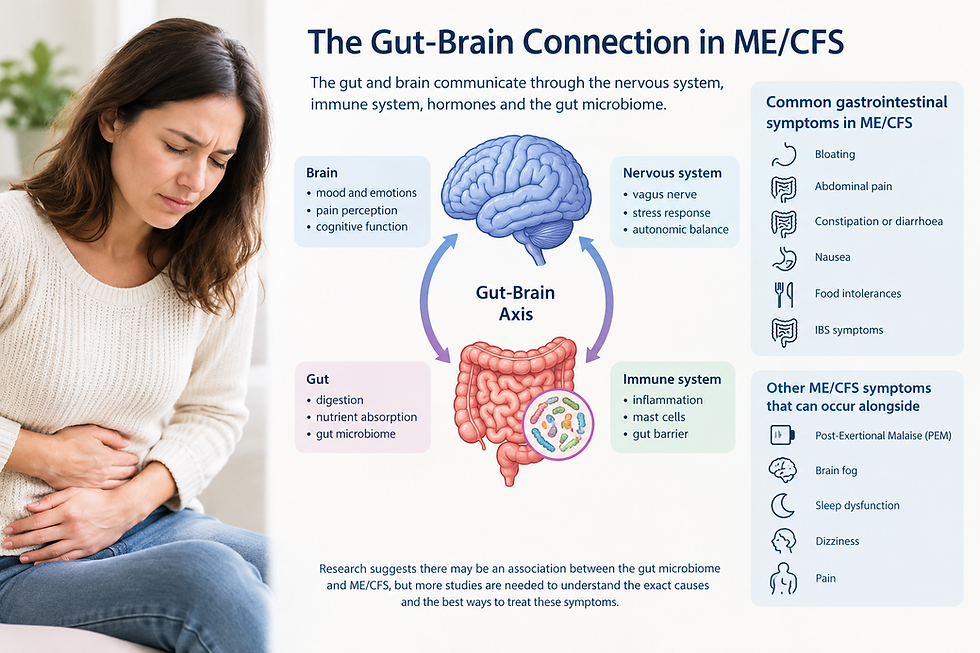
ME/CFS is far more than ordinary fatigue. The illness can affect sleep, memory, concentration, heart rate regulation, pain levels, digestion, and sensitivity to light or noise. One of the key features is something called post-exertional malaise (PEM), where symptoms worsen after physical or mental activity.
Patients often describe a “crash” after doing tasks that once seemed simple — shopping, attending appointments, or even having a conversation. Recovery can take days or weeks.
This is why specialist assessment matters. An experienced online ME/CFS doctor can help distinguish ME/CFS from other causes of fatigue and identify symptom patterns that are commonly missed.
Myth 2: “Exercise will cure ME/CFS”
Many patients have been told they simply need to exercise more. Unfortunately, this advice can often make symptoms worse.
People with ME/CFS frequently experience worsening symptoms after exertion because of PEM. The updated NICE guideline no longer recommends graded exercise therapy as a cure for ME/CFS.
That does not mean movement is always harmful. The key is careful pacing and energy management. Specialist ME/CFS therapy focuses on helping patients stay within their energy limits rather than pushing beyond them.
A personalised approach is essential. What works for one patient may not work for another, especially in those with severe symptoms or Long COVID fatigue.
Myth 3: “ME/CFS is caused by anxiety or depression”
Living with a chronic illness can understandably affect mental health, but ME/CFS itself is not simply a psychiatric condition.
Research increasingly points toward biological abnormalities involving the immune system, autonomic nervous system, inflammation, and energy production.
Many patients report becoming ill after viral infections such as glandular fever or COVID-19. This overlap is one reason many people seen in a Long COVID fatigue clinic may also meet criteria for ME/CFS.
Mental health support can still be helpful for coping with chronic illness, but it should never replace proper medical evaluation or imply the symptoms are “all in the mind.”
Myth 4: “There’s no way to diagnose ME/CFS”
There is currently no single blood test that confirms ME/CFS, but that does not mean diagnosis is impossible.
Diagnosis is based on recognised clinical criteria, symptom history, and exclusion of other medical conditions. The hallmark symptoms include:
Severe fatigue lasting longer than six months
Post-exertional malaise
Unrefreshing sleep
Cognitive difficulties (“brain fog”)
Orthostatic intolerance or dizziness
This is where specialist experience becomes important. Proper ME/CFS testing may involve screening for thyroid disease, anaemia, autoimmune conditions, sleep disorders, nutritional deficiencies, and other overlapping illnesses.
Patients are sometimes told their tests are “normal,” which can feel invalidating. However, normal routine blood tests do not rule out ME/CFS, but rather confirm it.
Myth 5: “If you look well, you can’t be seriously ill”
ME/CFS is often described as an invisible illness.
Many patients appear healthy during short conversations or appointments while privately struggling with exhaustion, pain, or cognitive dysfunction. Some may spend days recovering after social activities.
This misunderstanding can create major problems at work, school, and within families. People may wrongly assume patients are lazy or exaggerating symptoms.
In reality, ME/CFS can be profoundly disabling. According to the CDC, some patients become housebound (~20%) or bedbound during the illness.
One of the goals of specialist care is helping patients better understand their limits and communicate their condition effectively to others.
Myth 6: “Long COVID and ME/CFS are completely different”
There is significant overlap between Long COVID and ME/CFS symptoms.
Many patients attending a post-viral fatigue doctor service report fatigue, brain fog, dizziness, poor sleep, and PEM after COVID-19 infection. Researchers continue to investigate the relationship between these conditions.
Not every person with Long COVID has ME/CFS, but some develop symptom patterns that closely resemble it. This overlap has increased awareness of post-viral illnesses and encouraged more ME/CFS research worldwide.
An experienced Long COVID fatigue clinic can help assess whether symptoms fit recognised ME/CFS criteria and discuss management strategies.
Myth 7: “There’s nothing that can help”
Although there is currently no universal cure, many patients benefit from targeted symptom management and specialist support.
ME/CFS therapy may include:
Activity pacing and energy management
Sleep support
Pain management
Nutritional assessment
Orthostatic intolerance management
Support for cognitive symptoms
Guidance around work or education adjustments
The right treatment plan depends on the individual patient and any overlapping conditions such as fibromyalgia, POTS, migraines, or Long COVID.
Some patients also benefit from assessment with a fibromyalgia specialist service when pain is a major feature alongside fatigue.
Why specialist care matters
Unfortunately, many patients with ME/CFS still experience delayed diagnosis or outdated advice. Specialist assessment can help patients better understand their condition, avoid symptom triggers, and develop safer management strategies.
At UK ME/CFS Specialist, we provide support for patients seeking an experienced online ME/CFS doctor with expertise in post-viral illness, fatigue syndromes, and complex symptom assessment.
If you would like a specialist assessment, learn more about our online consultations.
Prof. Dmitry Pshezhetskiy, MBBS, PhD, MRCGP
GMC 7494518 — Registered Medical Practitioner (GP)
Medical Disclaimer: The information provided in this article is for general educational and informational purposes only and does not constitute personalized medical advice, formal diagnosis, or treatment planning. Reading this content or communicating via this website does not establish a doctor-patient relationship with Prof Dmitry Pshezhetskiy. ME/CFS affects every individual differently; strategies discussed may not be suitable or safe for your specific health situation. Always consult your GP, specialist healthcare team, or NHS 111 regarding your personal medical concerns. In a medical emergency, please dial 999 or visit your nearest Emergency Department immediately. For a full disclaimer, see Medical Disclaimer & Terms of Use in Terms and Conditions on the policies page.


Comments